Grilling season is upon us, and there’s nothing quite like the smoky flavor of food cooked over a charcoal grill. If you’re new to charcoal grilling, you might feel a bit overwhelmed by the process. You may be craving that perfect sear on a juicy steak or the satisfaction of grilling up some veggies. I created this guide to help you navigate the world of charcoal grilling with confidence.
This post is for everyone who wants to dip their toes into outdoor cooking without the intimidation factor. If you’ve ever found yourself staring at a bag of charcoal, unsure of where to start, you’re not alone. Whether you’re a backyard enthusiast or a weekend warrior, these grilling tips for charcoal grill newbies will turn you into a pro in no time.
In this article, I’ve gathered 13 expert grilling tips that are practical, straightforward, and perfect for your summer cookouts. You’ll learn how to choose the right charcoal, master lighting techniques, control your grill’s temperature, and more. By the end, you’ll feel empowered to create delicious meals and impress your friends and family. Let’s dive in!
Key Takeaways
– Choose the Right Charcoal: Learn the difference between briquettes and lump charcoal, and select what suits your grilling style best.
– Master the Lighting Technique: Discover various methods to light your charcoal efficiently for a consistent cooking temperature.
– Control the Temperature: Understand how airflow and charcoal placement affect heat levels, allowing you to cook your food perfectly.
– Embrace Two-Zone Cooking: Create separate heat zones on your grill to manage cooking for different types of food easily.
– Prioritize Grilling Safety: Get essential tips on safe grilling practices, ensuring a fun and worry-free outdoor cooking experience.
1. Choose the Right Charcoal
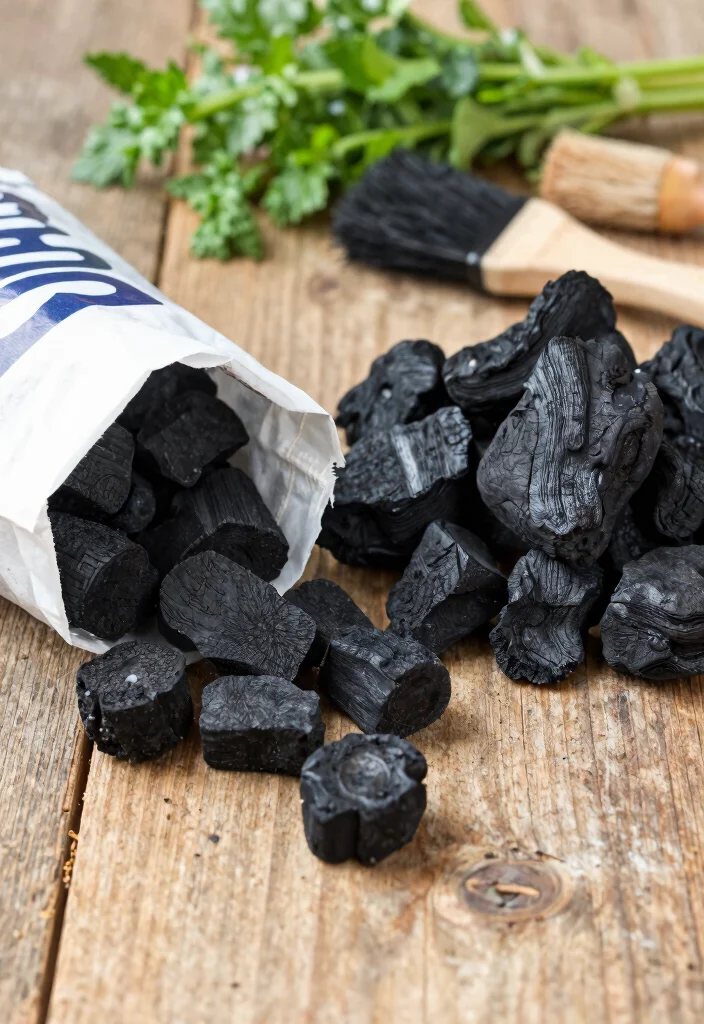
Are you ready to take your grilling to the next level? The type of charcoal you choose can make a huge impact on your results. Briquettes offer steady heat and are easy to manage, making them perfect for beginners. Meanwhile, lump charcoal gives a delightful smoky flavor and burns hotter, bringing out the best in your food. Experimenting with both types can lead you to your perfect grilling match.
Flavor: For a rich, authentic taste, reach for lump charcoal.
Heat Control: Beginners may find briquettes easier for consistent cooking.
Environmental Impact: Look for sustainably sourced brands to grill responsibly.
Choosing the right charcoal sets the foundation for mouthwatering meals. Take your time to find what suits your grilling style best.
2. Master the Lighting Technique
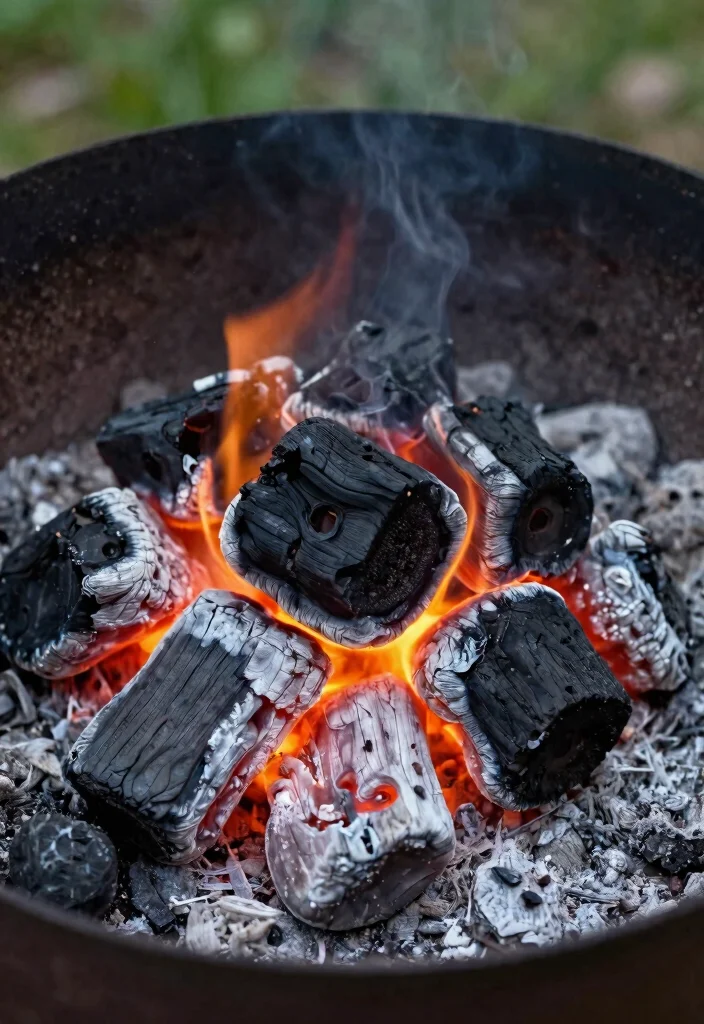
Lighting your charcoal grill can feel daunting, but mastering this skill is a game changer. Using a chimney starter makes the process simple and avoids the unwanted flavors that lighter fluid can bring to your food. Fill it halfway with charcoal, place a firestarter or crumpled newspaper below, and light it up. Within 15-20 minutes, you’ll see the coals covered in a light gray ash, ready for grilling.
Safety First: Avoid using lighter fluid on lit coals to prevent flare-ups.
Airflow: Open the vents for proper airflow to help ignite the coals.
Timing: Give your coals enough time to heat up fully before adding food.
Getting this right not only saves time but ensures even cooking for delicious results.
3. Learn to Control the Temperature
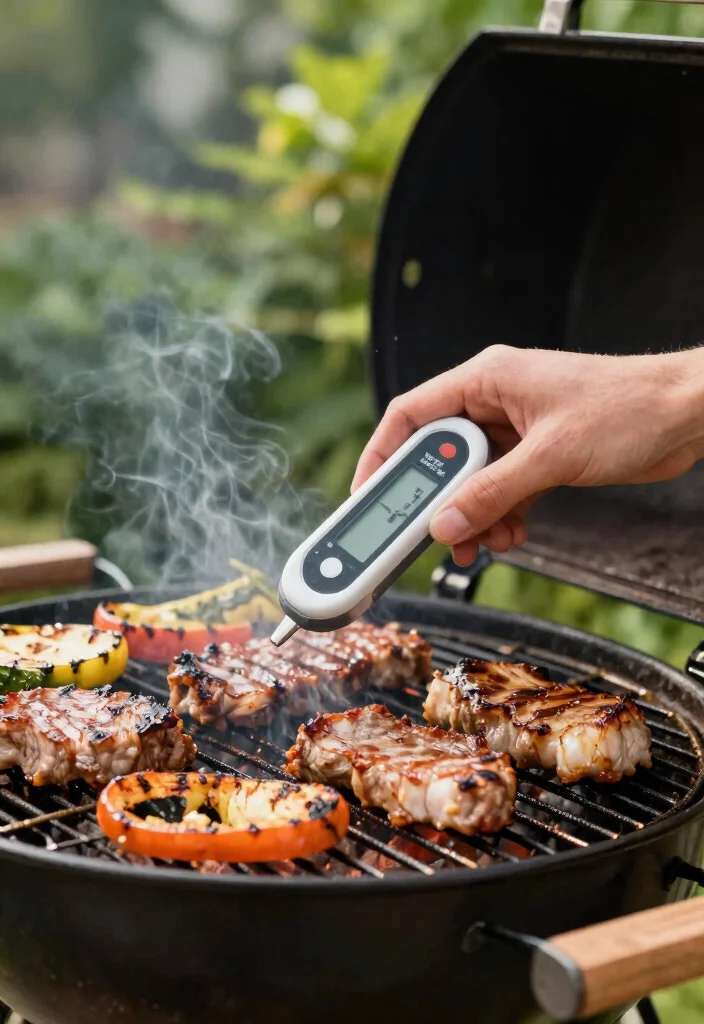
Controlling the temperature is essential for masterful grilling. Unlike gas grills, charcoal requires you to watch the heat closely. A simple trick is to hold your hand about six inches above the grill grate: if you can hold it there for 2 seconds, the heat is high; for 4 seconds, it’s medium; and for 6 seconds, it’s low.
Add More Coals: If temperatures dip too low, simply add more briquettes.
Adjust Vents: Open the vents to increase heat and close them to lower it.
Use a Thermometer: A grill thermometer can take the guesswork out of cooking temperatures.
Mastering heat control will not only improve your grilling skills but elevate the flavors of your meals.
4. Create Two-Zone Cooking
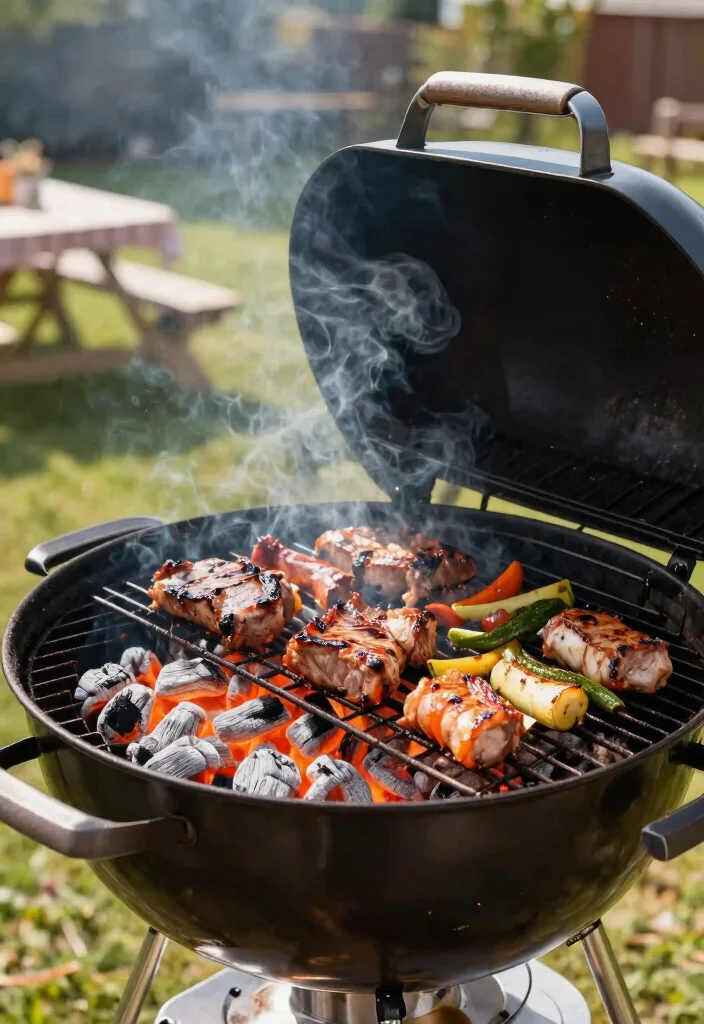
Mastering two-zone cooking is a fantastic tip for charcoal grill newbies. Set up your grill with a hot zone for direct heat and a cooler zone for indirect cooking. Piling the coals to one side allows you to sear on the hot side while cooking slower on the cooler side.
Perfect for Different Foods: This method works wonders for thicker cuts that take longer.
Avoid Flare-Ups: If flames flare, simply move food to the cooler side.
Finish with Direct Heat: For extra char, finish cooking on the hot side.
This technique enhances your cooking versatility and helps prevent burnt meals.
Fun fact: two-zone cooking can reduce flare-ups by up to 40% and keep thick cuts perfectly medium inside. Just pile coals on one side for direct heat, then move to the cooler area to finish—grilling tips for charcoal grill made simple.
5. Preheat and Clean Your Grill
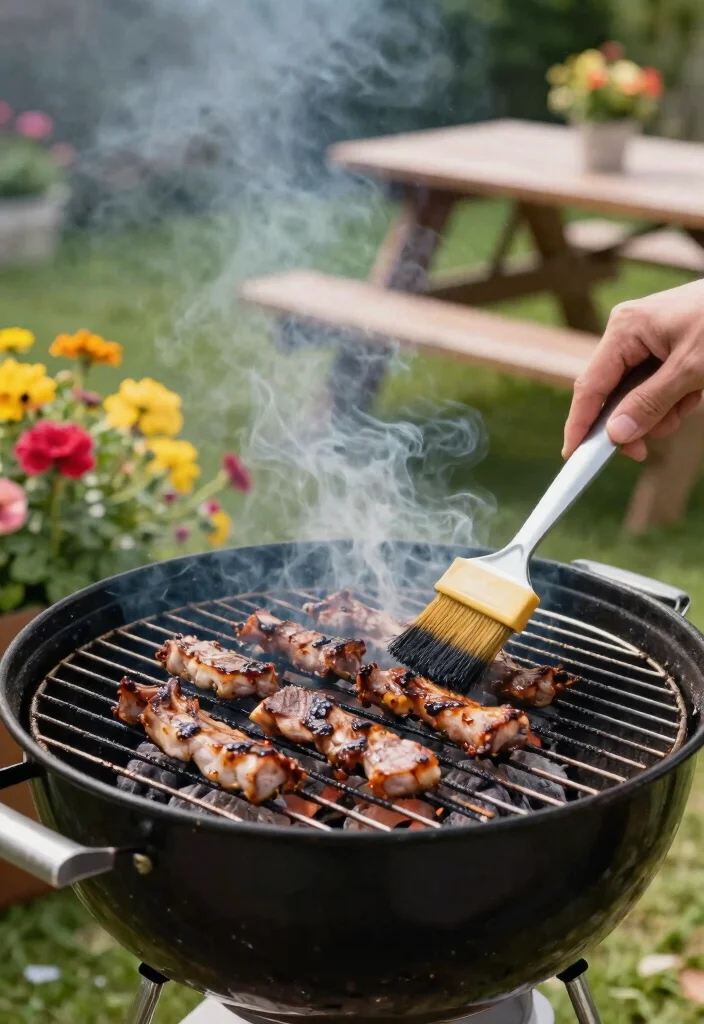
Preheating your grill is vital for great grilling results. It helps achieve a perfect sear on meats and reduces sticking. Allow your grill to heat for about 15-20 minutes before cooking, giving you time to clean the grates.
Cleaning Tip: Use a grill brush to remove residue from previous sessions.
Prevent Stickiness: Brush grates with oil to minimize sticking.
Maintain Your Grill: A clean grill cooks better and lasts longer.
This important step elevates your grilling experience, making your food look and taste amazing.
Did you know preheating for 15–20 minutes can dramatically cut sticking and boost sear quality? These grilling tips for charcoal grill newbies remind you to brush away residue, oil the grates, and cook with confidence.
6. Use Quality Ingredients
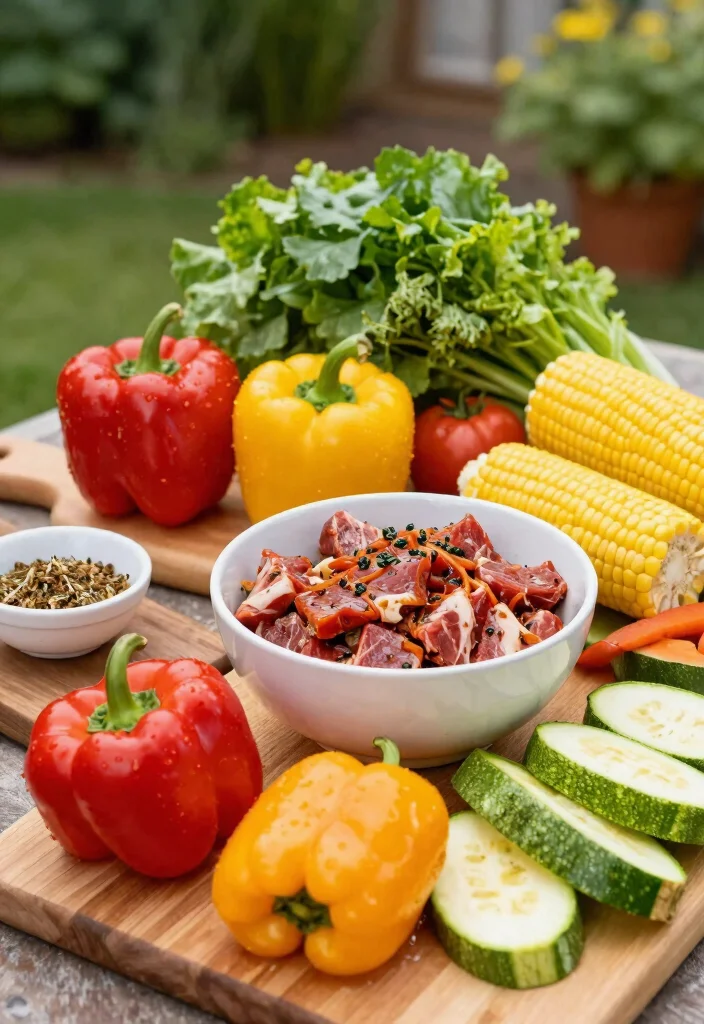
Quality ingredients can elevate your grilling game. Fresh meats, vibrant vegetables, and aromatic spices create dishes that delight. Seek out local sources or farmers’ markets for the freshest options.
Marinating: Enhance flavor by marinating meats with olive oil, garlic, herbs, and citrus juice.
Seasoning: A generous sprinkle of salt and pepper can transform your food.
Vegetable Choices: Opt for vegetables that grill well, such as bell peppers, zucchini, and corn.
Using high-quality ingredients not only enhances taste but makes grilling more enjoyable.
7. Pay Attention to Timing
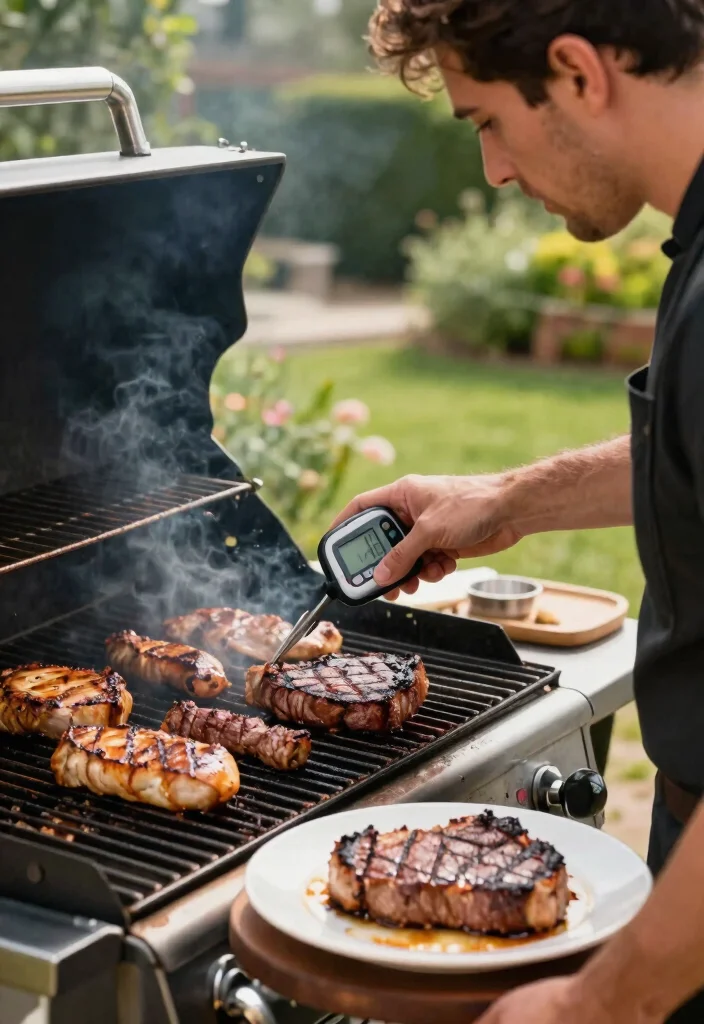
Timing is crucial in grilling, and each type of food has its ideal cooking time. Overcooked meat can become tough, while undercooked meat can be unsafe.
Use a Timer: Keep a grill timer or your phone handy to track cooking times.
Thicker Cuts: Use the two-zone method for thicker cuts to allow for slower cooking.
Rest Your Meat: Let food rest for a few minutes to let juices redistribute.
Mastering timing can elevate your grilling experience, ensuring each meal is successful.
8. Grill Safely
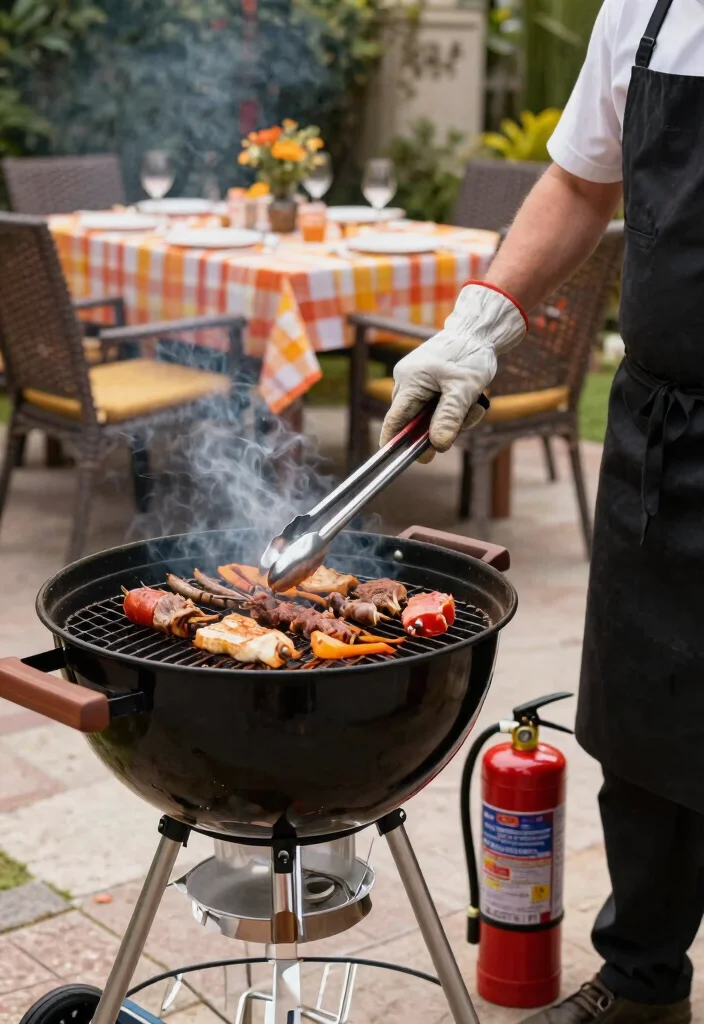
Safety is vital when grilling outdoors. Always set your grill on a stable, fire-resistant surface, away from anything flammable. Use long-handled tongs and heat-resistant gloves to keep a safe distance from the heat.
Never Leave Unattended: Keep an eye on your grill to prevent flare-ups.
Food Safety: Use separate utensils for raw and cooked food to avoid cross-contamination.
Extinguish Properly: Ensure all coals are fully extinguished before leaving.
Prioritizing safety protects you and your guests, allowing for a fun grilling experience.
How To Choose The Right Charcoal For Your Grill
When starting out with charcoal grilling, selecting the right charcoal is crucial for achieving that perfect smoky flavor and ensuring your grill runs smoothly. Here are some key factors to consider when choosing charcoal:
1. Type of Charcoal
There are two main types of charcoal: briquettes and lump charcoal. Briquettes are uniform in size and burn steadily, making them great for beginners. Lump charcoal, on the other hand, is made from pure wood and lights faster with a hotter burn. If you want a quick start and longer cooking times, briquettes are your best bet. If you’re after a pure wood flavor, try lump charcoal.
2. Quality of Charcoal
The quality of charcoal can greatly affect your grilling experience. Look for brands that use natural ingredients and avoid those with added chemicals. High-quality charcoal generates less ash and burns cleaner. Check for certifications or reviews that mention the absence of fillers. This ensures you get the best flavor and performance.
3. Size of Charcoal Pieces
Charcoal comes in various sizes. Smaller pieces ignite faster but burn out quickly. Larger chunks provide longer cooking times but take longer to heat up. Consider the types of meals you’ll be grilling. If you’re planning to grill for a long time, larger pieces are ideal. For quick meals, smaller pieces will do.
4. Flavor Profiles
Different types of wood give off unique flavors when burned. For instance, hickory and mesquite are popular for their strong, bold flavors, while fruit woods like apple and cherry provide a milder, sweeter taste. Choose based on the food you plan to grill. If you’re grilling steaks, hickory might be great. For chicken, try fruit woods for a subtle sweet flavor.
5. Price and Availability
Consider your budget and where you buy your charcoal. While it’s tempting to go for the cheapest option, sometimes you get what you pay for. Look for sales or bulk deals to save money without compromising quality. Ensure your chosen charcoal is easily accessible, so you won’t run out mid-grilling session.
6. Environmental Considerations
If you care about sustainability, look for charcoal sourced from renewable resources. Some brands offer charcoal made from recycled wood or sustainable practices. This not only helps the environment but can also enhance your grilling experience with unique flavors.
Pro Tip: Always store your charcoal in a dry location. Moisture can affect the burn quality, leading to a frustrating grilling experience. A sealed container or a dedicated charcoal bag works best to keep it dry and ready to use!
Choosing the right charcoal is about understanding your grilling style and preferences. With these tips, you’ll be well on your way to mastering your charcoal grill and producing delicious meals that impress your friends and family. Happy grilling!
9. Experiment with Flavor Enhancers
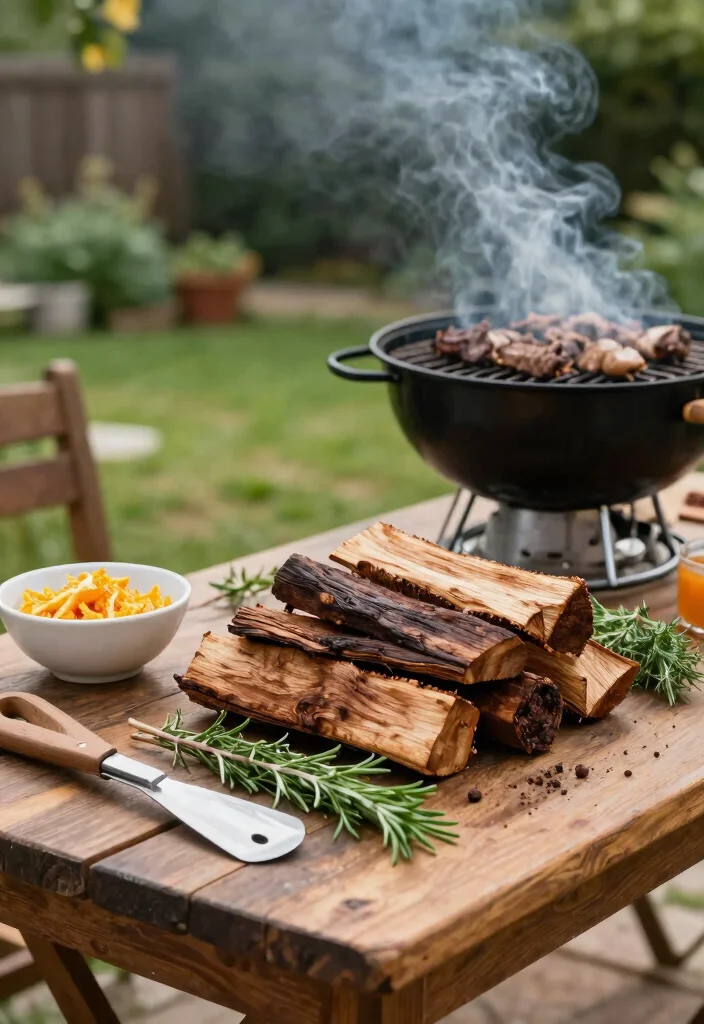
Once you’ve got the basics down, it’s time to play with flavor enhancers. Wood chips add unique smoky flavors to your grilled meats and veggies. Soak them in water for 30 minutes before using them to ensure they smolder rather than burn.
Different Woods: Try hickory, mesquite, or applewood for distinct flavors.
Herb Bundles: Toss fresh herbs like rosemary onto the coals for a fragrant infusion.
Citrus Zest: Adding citrus peels can give your grilled foods a refreshing twist.
Experimenting with flavors can turn an ordinary meal into a culinary delight.
10. Don’t Forget the Sides
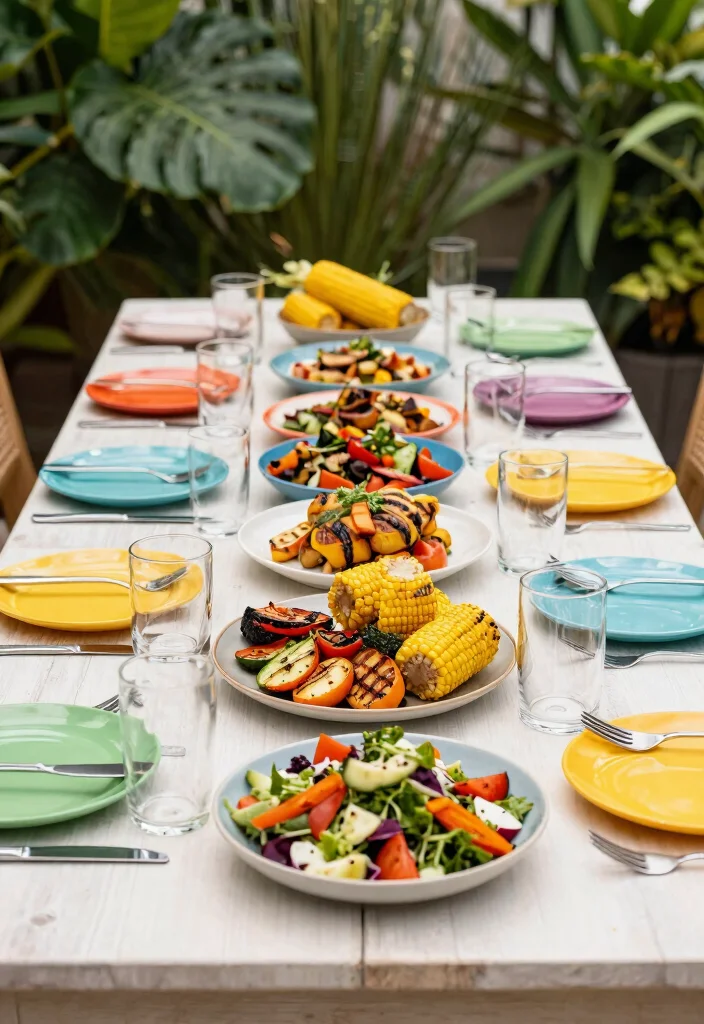
While meats are often the stars, delicious sides can elevate your barbecue. Grilled vegetables, salads, or unique dips can add color and flavor to your spread. Simple options like grilled corn, asparagus, or fruit skewers can beautifully complement your main dishes.
Prep Ahead: Prepare sides in advance for a smoother cooking experience.
Flavor Pairing: Choose combinations that enhance both your main courses and sides.
Presentation: Colorful sides look impressive on the plate and taste great.
Focusing on sides creates a well-rounded meal that will have everyone coming back for more.
Fun fact: about 40% of a backyard BBQ’s flavor comes from the sides, not the main meat. Planning and prepping sides ahead is a game changer for grilling tips for charcoal grill days. Colorful vegetables with bold dips make the plate pop and the crowd happy.
11. Keep Your Grill in Shape
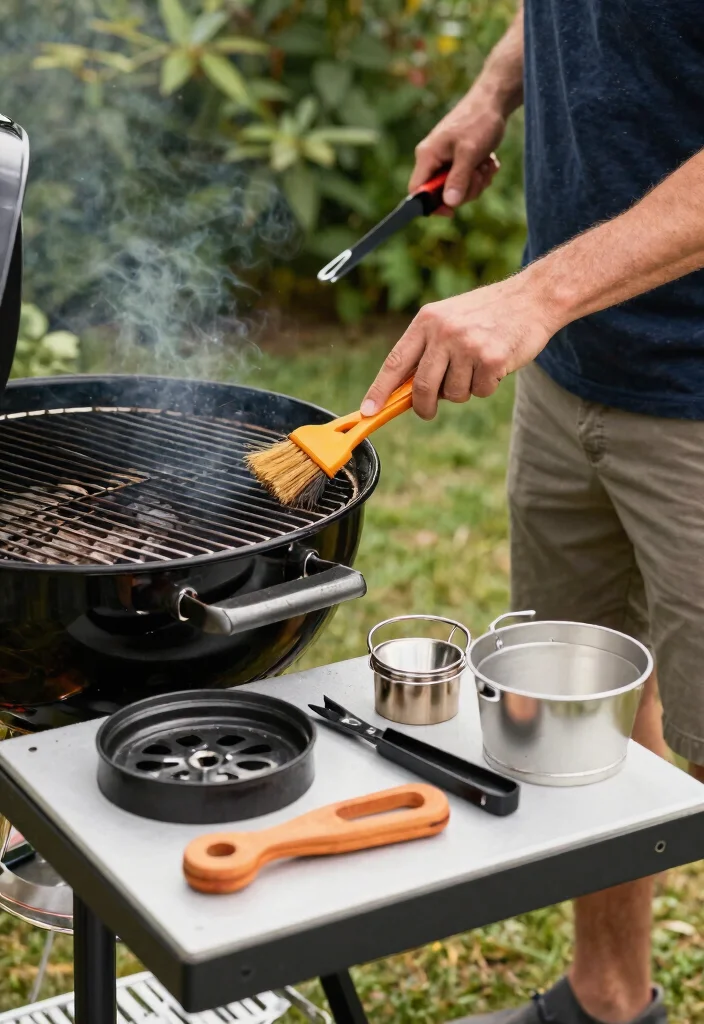
Taking care of your grill is key for longevity and performance. After each use, clean your grates and check for leftover ash. Wait for the grill to cool before brushing off stuck bits.
Deep Cleaning: Schedule a thorough cleaning at least once per season to clear grease buildup.
Inspect Parts: Regularly check for worn-out parts and replace them as necessary.
Protection: Use a grill cover when the grill is not in use to shield it from the elements.
Maintaining your grill enhances your grilling experience and saves you money over time.
12. Capture the Moment

Grilling is about cherishing moments with family and friends, so remember to capture them! Take photos of your beautifully grilled meals, guests’ reactions, and the overall atmosphere.
Social Media Sharing: Share your grilling victories online to inspire others.
Recipe Journal: Keep a journal of your grilling experiences to track what works.
Celebrate Successes: Show off your proud creations and the joy they bring.
Creating memories during your grilling sessions enhances enjoyment and provides moments to reflect on.
13. Enjoy the Process

Above all, remember that grilling is about enjoying the journey. Take your time, experiment with new flavors, and savor the moments outdoors. Mistakes will happen, but each grilling session is a chance to learn and improve.
Relax and Have Fun: Don’t stress about perfection; enjoy your time with loved ones.
Try New Things: Don’t hesitate to explore new recipes and techniques.
Share Your Passion: Encourage others to join in and swap tips for a more enjoyable experience.
Finding joy in the grilling process can turn each session into wonderful memories and delicious meals.
Conclusion

With these 13 expert grilling tips for charcoal grill newbies, you’re well on your way to becoming a master in outdoor cooking. Embrace each tip, practice regularly, and don’t shy away from trying new techniques and flavors.
Your summer gatherings will become the talk of the town, with perfectly grilled meals that everyone will love. Happy grilling!
Note: We aim to provide accurate product links, but some may occasionally expire or become unavailable. If this happens, please search directly on Amazon for the product or a suitable alternative.
This post contains Amazon affiliate links, meaning we may earn a small commission if you purchase through our links, at no extra cost to you.
Frequently Asked Questions
What are the essential grilling tips for beginners using a charcoal grill?
Getting started with grilling tips for charcoal grill can be simple if you focus on a few practical steps. Start with a clean grill and good charcoal, then set up a reliable two-zone fire for searing and indirect cooking. Light with a chimney starter for quick, even heat—skip pouring lighter fluid on the coals. Preheat with the lid on for 5–10 minutes, then oil the grates to prevent sticking. Control heat with the vents and move food between zones as needed. Use a thermometer for accuracy, and resist constant lid lifting to maintain steady temps. For safety and maintenance, brush the grate after burning off residue and sweep out ashes when cool. This is solid beginner grilling advice that also supports charcoal grill maintenance and outdoor cooking tips.
How do I set up a two-zone fire on a charcoal grill for optimal cooking?
Think of two zones: hot for searing, cooler for finishing. Pile the hot coals on one side, leave the other side cooler. Open the vents wide to feed oxygen and heat, then adjust to fine-tune temp. Place the cooking grate over the coals and preheat with the lid down for a few minutes. For a medium-rare result, start with direct heat to sear, then move to indirect heat to finish to target doneness. Keep the lid closed as much as possible to trap heat and avoid flare-ups. This is a core charcoal grilling technique that every beginner grilling advice should know and a staple in outdoor cooking tips.
What safety guidelines should beginners follow when grilling with charcoal?
Grilling safety guidelines are non-negotiable. Always grill on a stable, non-flammable surface away from structures, using long-handled tools and heat-resistant gloves. Keep kids and pets at a safe distance, and have a spray bottle of water and a fire extinguisher nearby. Never add lighter fluid to hot coals or a burning grill, and manage flare-ups by closing the lid or moving food away from flames. After cooking, let coals cool completely and close vents to starve the fire. This covers essential grilling safety guidelines and fits well with outdoor cooking tips.
What charcoal grilling techniques should every beginner know?
Direct vs indirect grilling is your bread and butter. Use direct heat to sear and build a crust, then finish on indirect heat for even cooking. Try reverse searing: start on indirect to near-target temp, then a quick direct sear to finish. Flavor with wood chunks or chips added to the embers, and fine-tune heat with the grill vents. Always monitor temperature with a thermometer. This is the heart of charcoal grilling techniques and a key part of beginner grilling advice.
How can I maintain and clean my charcoal grill to extend its life?
Maintenance is where many grill mistakes happen. After cooking, burn off residues with the lid closed, then brush the grates while they’re still warm. Remove ashes from the bottom to prevent moisture buildup. Check and clean the vents to ensure proper airflow, inspect hinges and handles, and oil the grates to prevent rust. Store with the lid closed in a dry place. Regular maintenance reduces corrosion and improves heat consistency—an essential part of charcoal grill maintenance and a smart outdoor cooking tips practice.